Have you ever caught a whiff of a fragrance and suddenly been transported back to a specific moment, a childhood home, a summer holiday, a person you once loved? That's not coincidence. It's neuroscience. Of all our senses, smell has the most direct and powerful connection to memory and emotion, and understanding why can completely change the way you think about the perfume you wear every day.
Why Smell Is Different From Our Other Senses
Most of our senses (sight, sound, touch, taste) are processed through a relay station in the brain called the thalamus before reaching the areas responsible for memory and emotion. Smell skips this step entirely.
The olfactory bulb, which processes scent, has a direct anatomical connection to the amygdala (which governs emotion) and the hippocampus (which governs memory). In simple terms: smell reaches the emotional and memory centers of your brain faster and more directly than anything you see, hear, or touch.
This is why a single note in a fragrance can bring back a memory, and the feeling attached to it, almost instantly, often before you've consciously registered what you're smelling.
The "Proust Phenomenon"
This scent-memory connection even has a name in psychology: the Proust Phenomenon, named after French novelist Marcel Proust, who famously described how the taste and smell of a madeleine cake dipped in tea triggered a vivid, involuntary childhood memory. Researchers have since confirmed what Proust intuited, smell-triggered memories tend to be more emotional, more vivid, and older than memories triggered by other senses.
This is also why nostalgia often feels stronger through scent than through photos or music. A photo shows you a moment. A scent lets you feel it again.
Why This Matters for the Perfume You Choose
Because scent is so deeply tied to memory and emotion, the fragrance you wear isn't just a cosmetic choice, it's an emotional signature. Every time you wear a perfume, you're not just creating a pleasant smell for others; you're building a sensory association that can:
- Anchor your confidence before an important meeting or event
- Become permanently linked to a relationship, a place, or a chapter of your life
- Shape how people remember you, even subconsciously
- Trigger your own mood and emotional state, almost like a ritual
This is part of why people often feel a strong emotional attachment to their "signature scent", it isn't just about smelling good. It's about how that scent makes them feel, and what it comes to represent over time.
How Fragrance Brands Use This Science
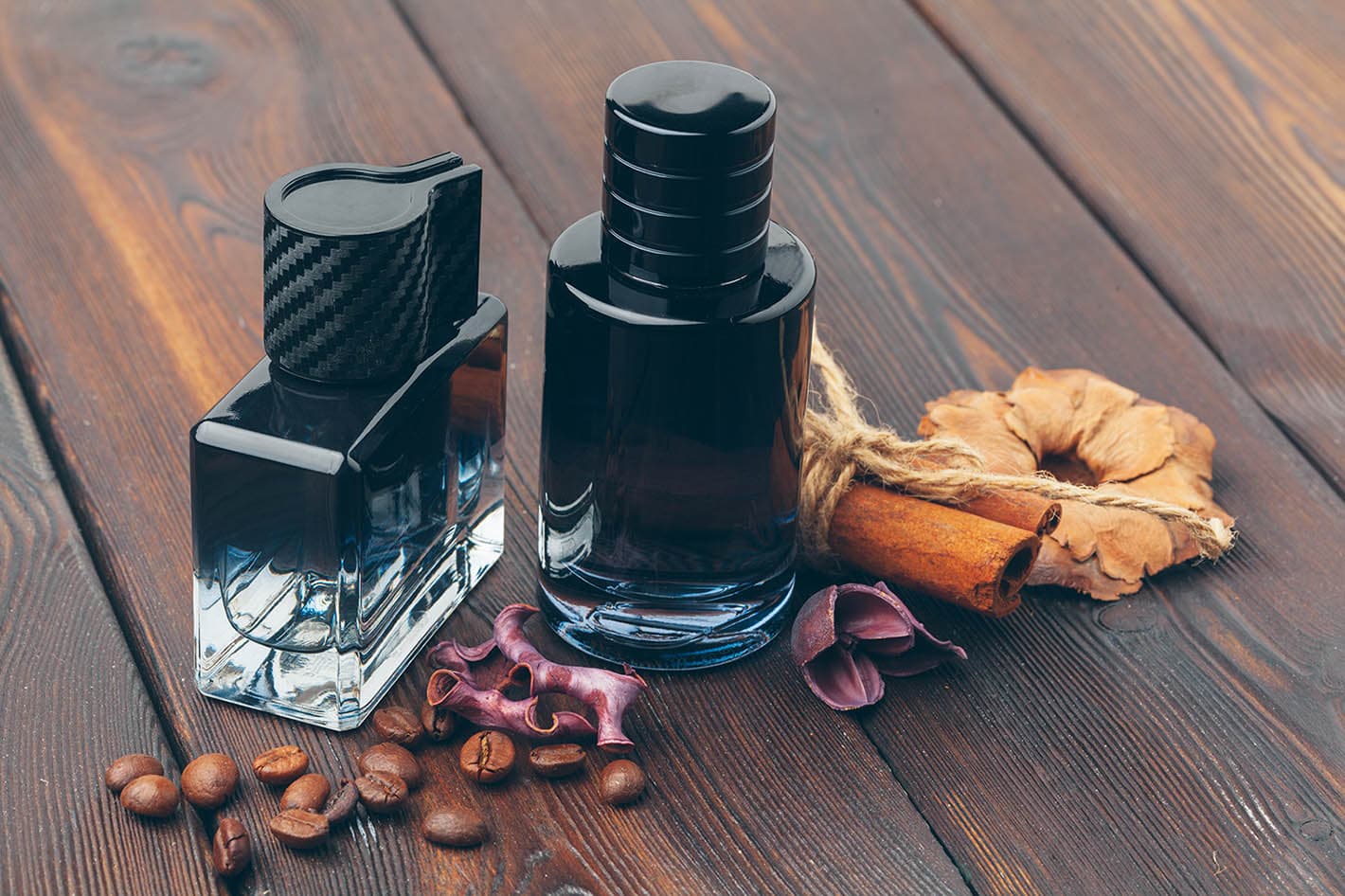
Perfumers and fragrance houses intentionally design scents to evoke specific feelings; comfort, confidence, romance, energy; using notes known to trigger particular emotional responses. Warm, woody, and vanilla-based notes are frequently associated with comfort and security. Bright citrus and green notes tend to evoke energy and freshness. Florals are often linked to romance and softness.
This is why choosing a fragrance is rarely just about "smelling nice." On some level, you're choosing how you want to feel, and what memory you want to start building.
A Few Ways to Use This Science in Your Own Life
- Create scent rituals. Wearing the same fragrance during a specific routine (like your morning coffee or your commute) can help anchor a calm, consistent emotional state.
- Mark important moments. Wearing a new scent during a meaningful trip, milestone, or relationship can permanently link that fragrance to the memory.
- Be mindful of overuse. Wearing the same scent constantly, in every context, can dilute its emotional power over time. Save certain fragrances for certain moments to keep the memory association strong.
Final Thoughts
Perfume is one of the only products we wear that speaks directly to the emotional, memory-driven parts of the brain. It's not just about how you smell to others, it's about the memories you're quietly building for yourself, one spray at a time. The next time you choose a fragrance, remember: you're not just picking a scent. You're picking a memory in the making.